.avif)


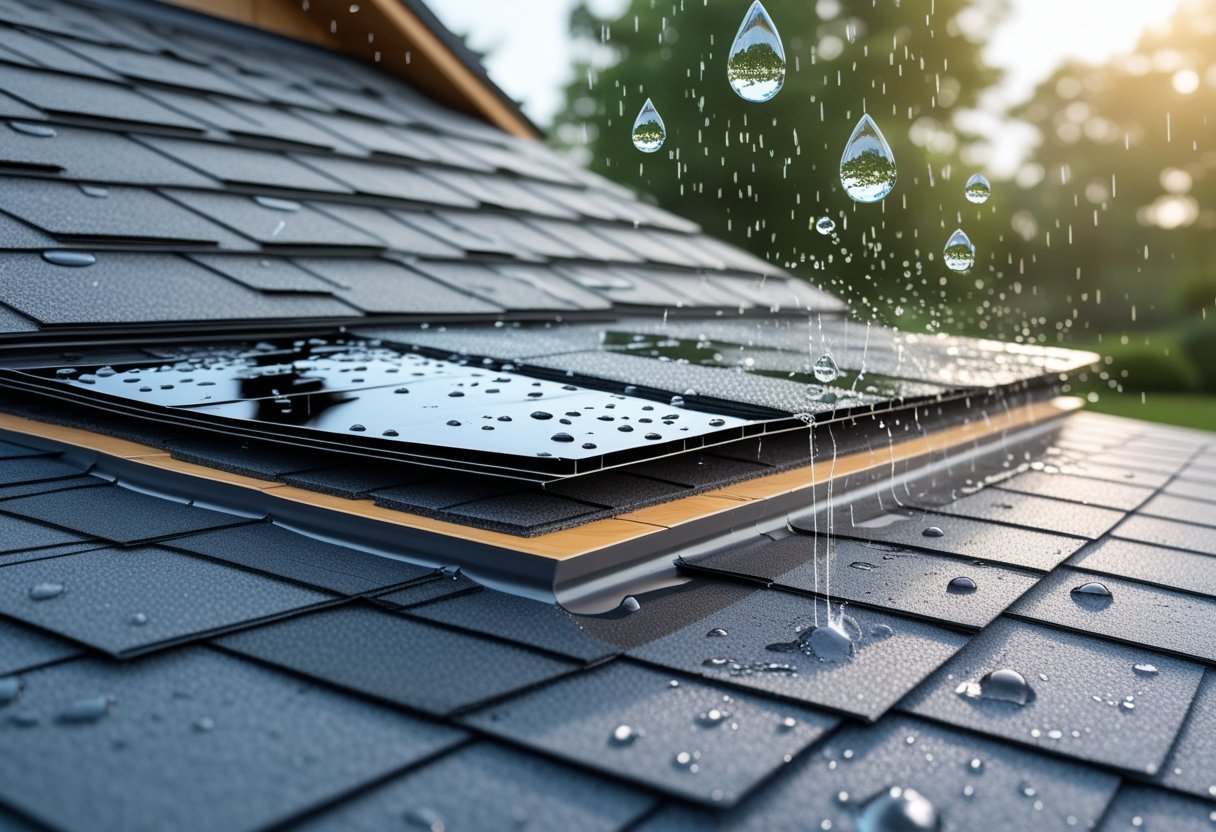
When you think about keeping your home dry, the roof underlayment does a lot of heavy lifting—right out of sight. Underlayment is that waterproof layer beneath your shingles, stopping water from sneaking in during storms or heavy rain. It’s an extra shield that steps up if the outer roof gets damaged or starts to wear out.
Your roof takes a beating—wind, rain, hail, you name it. Shingles can loosen or break, but underlayment teams up with them, keeping water out and letting you breathe a little easier when the weather turns nasty. At Clear Choice Roofing, we’re picky about using only high-quality underlayment because, honestly, it makes all the difference.
If you want your roof to last and avoid those nerve-wracking, expensive water repairs, don’t overlook underlayment. It’s a simple step, but wow, it matters.
What Is Underlayment?
Underlayment is the layer that sits right under your roof shingles. It’s basically a backup shield, keeping water from leaking into your home if the top layer fails. Knowing what it’s made of and how it fits into your roof system is pretty useful.
Types of Underlayment Materials
There are two main types: felt and synthetic.
- Felt underlayment comes from paper or fiberglass soaked in asphalt. It’s an old-school option—basic water resistance, nothing fancy.
- Synthetic underlayment is made with plastic fibers. It’s lighter, stronger, and shrugs off moisture better than felt.
Synthetic underlayment usually outlasts felt and handles heavy storms better. If you’re aiming for fewer leaks, high-quality materials like synthetic underlayment are a smart move. We almost always recommend it at Clear Choice Roofing because it just works better.
Role in Roofing Systems
Underlayment sits between your roof deck and the shingles. Its job? Stop any moisture that gets past the shingles from reaching your home.
Think of it as your roof’s backup plan during storms, blocking leaks from rain, wind, or busted shingles. It keeps the roof deck dry, which helps prevent rot and other headaches.
Synthetic underlayment can also handle heat better—super important in hot places like Austin. We always use top-notch underlayment so your roof stays tough and your home stays dry.
How Underlayment Prevents Leaks
Good underlayment keeps your home dry. It blocks water, protects the wooden parts underneath, and seals up those tricky spots where leaks love to form.
Barrier Against Water Intrusion
Underlayment is your roof’s first real line of defense. When rain or melting snow slips past shingles, underlayment steps in and blocks it from going further.
This layer, often made of synthetic fabric, sheds water easily and covers the whole roof deck. Even in a nasty storm, it works hard to keep leaks at bay.
Because it sits under your shingles, it also keeps out wind-driven rain and ice dams. That extra protection? It can save you from costly repairs down the road.
Protecting Roof Decking from Moisture
Your roof decking is the wood layer under all the other stuff. If water gets to it, you risk rot and a weakened roof.
Underlayment shields the decking, stopping leaks that sneak past the shingles. Keeping that wood dry means your roof stays stronger, longer.
We’re pretty serious about using quality underlayment at Clear Choice Roofing to protect your home. It’s a simple way to keep your roof deck solid and free from water damage.
Sealing Vulnerable Areas
Some parts of your roof—chimneys, vents, valleys, edges—are just more likely to leak. That’s where underlayment really earns its keep.
We cut and seal underlayment tightly around these spots, blocking water from sneaking through. Good installers make sure flashing and underlayment work together, sealing up those weak points.
Using solid underlayment and fitting it snugly around vents and chimneys can stop leaks before they even start. That’s less stress and fewer bills for you.
Benefits of Underlayment for Homeowners
Underlayment isn’t just about blocking water. It also keeps your roof’s structure safe and can help lower your energy bills. Here’s what you get out of it.
Extended Roof Lifespan
Underlayment adds a strong layer of protection beneath your shingles. It’s like armor against leaks from rain, ice, or wind. Without it, water can get into the wood deck, leading to rot and a weaker roof.
High-quality synthetic underlayment, like what we use at Clear Choice Roofing, helps prevent condensation and water damage, keeping your roof in better shape for longer. That means fewer repairs and less money spent on fixing moisture issues.
So, underlayment helps your roof last longer and saves you some headaches.
Energy Efficiency Improvements
Underlayment can also help your home stay warmer in winter and cooler in summer. Some types add an extra layer of insulation, making your home more comfortable.
If your HVAC system doesn’t have to work as hard, you’ll see lower energy bills. Plus, quality underlayment helps cut down on air leaks and drafts, which is a real bonus in Austin’s wild weather.
Choosing the right materials actually makes your home more energy efficient.
Proper Installation Techniques
Underlayment only works if you install it right. You’ve got to cover every inch, overlap the layers, and make sure there are no gaps for water to sneak through.
Ensuring Full Coverage
Lay the underlayment evenly across the whole roof deck. Every shingle or panel needs a solid base underneath. Miss a spot and water will find its way in.
Get the underlayment right up to the edges and corners. These areas are the usual suspects for leaks if you don’t cover them well. Don’t stretch the material too tight—tears or holes can happen fast.
When you work with us at Clear Choice Roofing, our crews double-check coverage, use tough materials, and don’t cut corners.
Correct Overlapping Methods
Overlap matters. It helps water slide off the roof instead of sneaking between layers. Usually, you want at least 4 inches of overlap horizontally, 6 inches vertically. That way, you get a solid barrier.
Start from the bottom edge and work up. Each new sheet covers the one below, so rain runs down and off, not under.
Nails or staples go along the overlaps, but not too tight or in the wrong spot—otherwise, you could end up with holes or leaks.
Done right, this keeps your home safe even when the weather gets wild.
Common Leaks Without Underlayment
Skip underlayment and you’re inviting trouble. Water finds its way in, and suddenly you’re dealing with damage inside your home that didn’t have to happen. The main troublemakers? Wind-driven rain and ice dams.
Damage from Wind-Driven Rain
When wind pushes rain sideways, water can sneak under your roof shingles. Without underlayment, there’s nothing to stop it from leaking into your attic, walls, or insulation.
You might spot wet patches on your ceiling or walls—or even mold if water lingers. Underlayment acts as your backup shield, catching leaks when shingles can’t. Fewer repairs, less worry. That’s why we always use quality underlayment at Clear Choice Roofing.
Consequences of Ice Dams
Ice dams happen when snow melts and then refreezes at the roof edge. No underlayment? The meltwater slips under your shingles and soaks the roof deck. That leads to leaks, wood rot, and ugly stains inside.
You’ll notice water stains on ceilings or peeling paint. Underlayment blocks this water, saving you from expensive repairs. If you get cold winters, good underlayment is a must. We use materials built for these tough conditions.
Choosing the Right Underlayment for Your Home
Picking underlayment isn’t one-size-fits-all. It depends on your climate and the type of roof you have. You want something that works with your roof and stands up to your local weather.
Climate Considerations
Local weather really matters. If you get a lot of rain, you’ll want highly water-resistant underlayment. In cold places, synthetic underlayment or ice and water shields help with ice dams.
In hot spots like Austin, you need something that resists heat and won’t fall apart in the sun. That way, your roof is protected during scorching summers and crazy storms.
We use underlayment that fits the Texas climate at Clear Choice Roofing, so your home stays safe.
Compatibility with Roofing Materials
Not every underlayment works with every roof. Metal roofs, for example, need a special type to prevent slipping. Asphalt shingles? Synthetic or felt underlayment usually does the trick.
Matching your underlayment to your roofing material boosts roof life and helps you avoid blistering or leaks.
A good roofing contractor (like us, just saying) will help you pick the best option for your roof and climate.
Regular Maintenance and Inspections
To keep your underlayment doing its job, regular maintenance is key. Get your roof checked at least once a year or after big storms. Catching small issues early means fewer leaks later.
Look for tears, loose spots, or signs of water damage under the shingles during inspections. These problems let water in and can cause real headaches. Also, clear off leaves and debris—moisture can build up and break down underlayment faster than you’d think.
A trustworthy roofing company (yeah, like Clear Choice Roofing) does thorough inspections and quick repairs. We use quality materials and take the time to get it right. Scheduling regular checkups means you’re less likely to get any nasty surprises when it rains.
If your roof’s under warranty, you might need to follow certain maintenance steps to keep it valid. We can walk you through what’s needed and provide proof of work for your records.
Stay on top of maintenance. It’s a lot easier—and cheaper—to fix small stuff now than to deal with big leaks down the line.
Underlayment Innovations and Trends
Today’s underlayment materials are tougher and hold up better against water than ever before. Lots of newer options use synthetic fabrics instead of that old felt—so they’re lighter, last longer, and do a better job keeping water out.
You’ll see features like self-adhesive strips or peel-and-stick designs. These help the underlayment grip the roof deck, so it stays put even when storms roll through.
Some underlayments even add extra protection against heat and UV rays. If you’re in a sunny spot like Austin, that matters quite a bit. At Clear Choice Roofing, they lean into these new materials to give your home a real edge.
Here are some underlayment trends popping up lately:
- Synthetic fabrics for extra strength
- Waterproof membranes that keep moisture out
- Peel-and-stick layers to make installation less of a headache
- Heat-reflective coatings to cool things down up top
Clear Choice Roofing keeps tabs on these trends and uses what’s best for your home. They don’t cut corners. That way, your roof holds up longer and you’re less likely to deal with leaks.
Frequently Asked Questions
Roof underlayment acts like a backup barrier against water and weather. It keeps your place dry and protects what’s underneath your shingles.
What are the benefits of using roof underlayment for weather protection?
Underlayment stops water from sneaking into your home after rain or snow. It also blocks wind-driven rain and offers a safety net if shingles get damaged.
How does synthetic roof underlayment perform when exposed to moisture?
Synthetic underlayment shrugs off water and dries out fast. It stands up better than old-school felt if it gets wet, so storms do less harm.
What is the recommended time that exposed roof felt can remain without cover?
Don’t leave roof felt uncovered for more than 30 days. If it sits out too long, it weakens and leaks can start showing up.
Can you explain how roofing underlayment overlaps work to prevent leaks?
When you overlap the edges of underlayment, water runs right off instead of sneaking under the seams. That overlap forms a solid waterproof layer.
What are the advantages of peel and stick underlayment compared to traditional felt?
Peel and stick underlayment bonds tightly to the roof deck. It protects better against wind-driven rain and ice dams, while felt can sometimes wrinkle or shift.
Is it true that roofing underlayment can prevent leaks, even before the final roofing material is installed?
Absolutely! Underlayment gives your roof a layer of water protection, especially if shingles get delayed or something unexpected happens. At Clear Choice Roofing, we rely on solid, high-quality underlayment to help keep your home dry and protected during the whole installation process.