.avif)


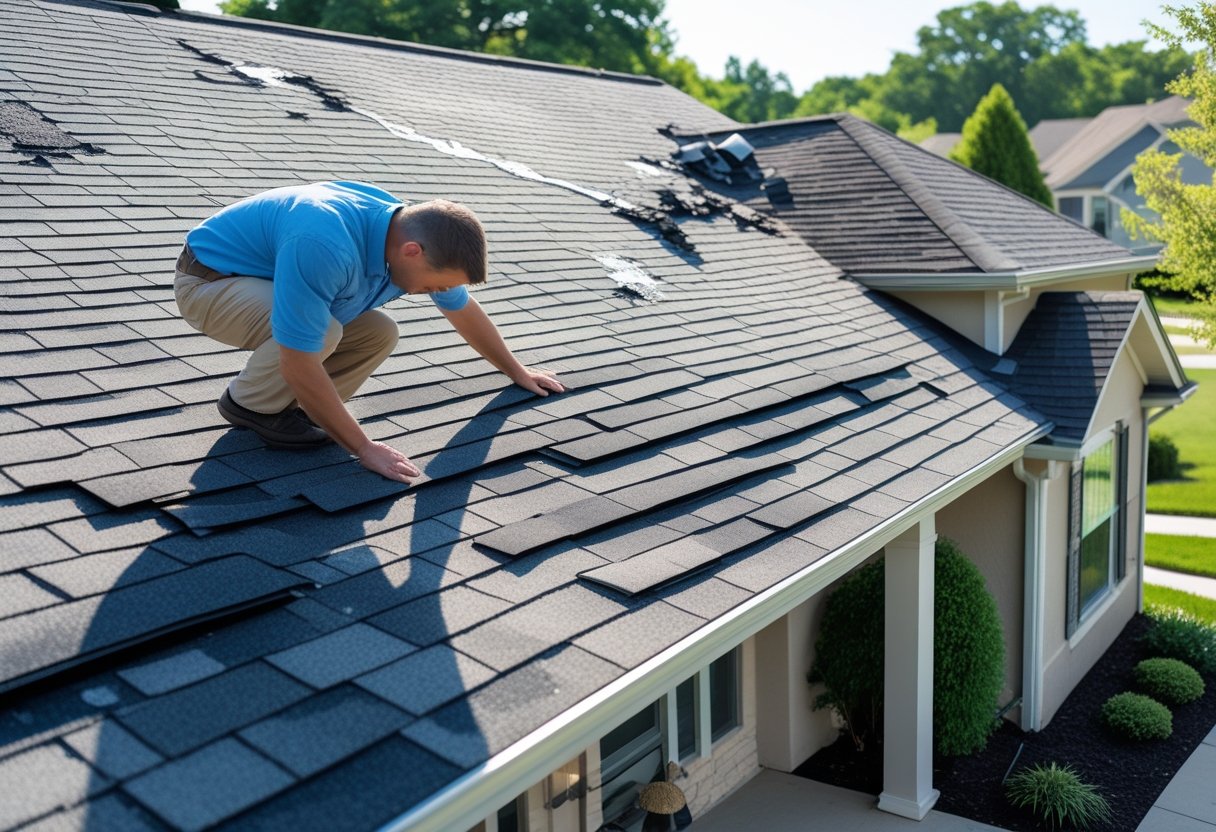
Knowing when your roof needs immediate repair can seriously save you from expensive headaches inside your home. If you spot water dripping, missing or cracked shingles, dents, or any sign of leaks, your roof needs quick attention. These issues usually get worse after storms and can mess up your ceilings, walls, and floors.
You might also notice damage if you see curling shingles or cracks in roofing materials. If your roof is under 15 years old and the damage isn’t much, you can probably just repair it. But if you let things slide, you’re asking for bigger, pricier problems.
At Clear Choice Roofing, we’ll help you catch these signs early with free inspections—so you actually know what’s going on up there. Getting an expert to check things out right after a storm can help protect your home and keep your warranty valid.
Recognizing Urgent Roof Repair Signs
Your roof stands between your home and the weather, so you want to catch any serious problems as soon as you can. Look for clear signs both inside and out that mean your roof needs fast repair.
Visible Exterior Damage
After a storm or heavy winds, check for missing, cracked, or broken shingles. These damaged shingles leave your roof exposed to water and can start leaks. Also, look at the flashing around chimneys and vents—if it’s bent or loose, water can sneak in.
If you find shingle granules in your gutters or on the ground, your shingles are wearing out. That means your roof’s surface isn’t holding up. Ignore this stuff, and you could let moisture in, which damages the wood underneath.
Interior Water Stains
Inside your home, keep an eye out for water stains on ceilings or walls. These yellow or brown spots tend to show up after nasty weather. Water stains mean water’s getting through your roof and messing up your home’s structure.
Peeling paint or bubbling wallpaper near these spots? That’s moisture sneaking in. If you see this, get your roof checked quickly before things get worse.
Sudden Leaks
Water dripping during or right after rain? That’s a leak that needs fixing now. Even a small drip will ruin ceilings, walls, and floors if you let it go.
Leaks usually start where shingles or flashing are missing or busted. It’s usually best to call a roofer like Clear Choice Roofing to handle leaks quickly. Fixing things early saves you money and keeps your home safe.
Sagging Roof Structure
If your roof looks uneven or sagging, that’s not normal. The support beams or decking might be weak or rotting from water damage.
Sagging puts your roof at risk of collapse, especially after storms. Check your attic for wet insulation, mold, or soft spots in the wood. See anything like that? Get a professional roofer out right away.
Assessing Weather-Related Roof Issues
Weather does a number on roofs, and some damage just can’t wait. It helps to know what storm, wind, and ice damage look like.
Storm and Hail Damage
Storms and hail can crack or break shingles. Look for dents or missing pieces on your roof. Big hail can knock off shingle granules, which makes your roof less protective.
Check your gutters and downspouts too. If you see white or black granules from shingles, hail probably hit hard. In the attic, look for small water spots or wet insulation after a storm.
Find any of this? It’s smart to call a roofing expert like Clear Choice Roofing. They’ll check if your roof can be repaired or needs replacing.
Wind-Lifted Shingles
Strong winds lift or curl shingles, exposing what’s underneath to rain and sun. This might start small but lets water in, leading to rot or leaks.
Look for loose, flipped up, or missing shingles, especially after windy days. Pay extra attention to roof edges and corners.
If you spot lifted shingles, don’t wait. Loose shingles can fall off or let water in, damaging your roof deck or insulation. Fixing it early is way better than dealing with major repairs later.
Ice Dam Formation
In winter, ice dams form when snow melts and refreezes at the roof’s edge. Water can’t drain, so it backs up and sneaks under your shingles.
Watch for icicles on gutters or ice piling up along roof edges. Inside, water stains on ceilings or walls near outside walls could mean leaks from ice dams.
Good attic insulation and ventilation help prevent ice dams. But if you have this problem, you’ll probably need a roofer to fix the damage and improve your roof’s defenses.
Clear Choice Roofing can spot and repair ice dam damage, keeping your home dry and safe.
Determining the Severity of Roof Problems
Figuring out how bad your roof issues are helps you decide what to do next. Some problems need immediate action, while others can wait a bit—but you still need to keep an eye on them.
Active Versus Dormant Leaks
An active leak means water is getting through your roof right now. You might see stains, dripping, or damp spots inside. These leaks can quickly damage ceilings, walls, and insulation. If you notice any wet spots or hear dripping during rain, you need repairs soon.
A dormant leak isn’t leaking at the moment but shows signs it could start, like missing or damaged shingles. These leaks might turn active during storms or heavy rain. Keep an eye out for early warning signs so you can avoid bigger problems. Clear Choice Roofing can help catch leaks before they get worse.
Widespread Shingle Loss
Shingles keep rain and wind out. If you’re losing several shingles in one spot or all over, your roof’s not doing its job. This exposes the wood and underlayer to water.
Look for curling, cracking, or bald spots where granules are missing. If lots of shingles are gone or damaged, you probably need repair or replacement fast to avoid leaks. Don’t wait—acting early usually saves money and hassle.
Inspecting Flashings and Roof Penetrations
Flashings and roof penetrations are classic trouble spots for leaks. These areas are weak because they join different roof parts or let things pass through. Checking for damage or loose bits is key to avoiding water inside.
Damaged or Loose Flashing
Flashings are thin metal strips around edges, vents, and chimneys. They keep water from sneaking under shingles.
Look for cracks, gaps, rust, or bends in the flashing. If it’s loose or pulling away, water can get in fast.
Storms can loosen flashing, so check after rough weather. Even small issues here can lead to leaks that need quick repair.
Spot anything off? Call a roofer like Clear Choice Roofing to handle it. Timely repairs here prevent expensive water messes inside.
Vulnerable Chimney Areas
Chimneys are leak magnets because flashing has to fit just right where chimney meets roof.
Watch for cracked mortar, missing flashing, or gaps around the base. Water can easily seep in and cause rot inside the roof and walls.
Check for dark stains or moss near the chimney, which can mean trapped moisture. In the attic, look for water spots near the chimney.
See any of this? Get your chimney flashing checked and fixed soon. Clear Choice Roofing can inspect and fix these spots before things escalate.
Evaluating Mold and Moisture Concerns
Moisture’s a sneaky enemy for your roof and home structure. You might smell or see signs of leaks before you spot actual water.
Mildew Odors in the Attic
If your attic smells musty or mildewy, moisture’s probably trapped up there. This often happens from roof leaks or bad ventilation. If you ignore it, mold and wood rot can set in.
Look for dark spots or wet patches on insulation or beams. These are strong clues you need roof repairs soon. Mold also isn’t great for your air quality, so don’t let it go.
A pro from Clear Choice Roofing can check your attic for hidden leaks and suggest ways to improve ventilation so moisture doesn’t build up again.
Peeling Paint or Bubbling Walls
Peeling paint or bubbling walls inside usually mean moisture is sneaking in behind the surface. Water gets through cracks or damaged roofing materials and starts making a mess.
Look for patches where paint’s coming off or walls feel damp or soft. This kind of moisture can ruin drywall and weaken your home’s structure if you let it go.
Spot these signs? Schedule a roof inspection soon. Fixing leaks now keeps repair costs from spiraling. Clear Choice Roofing can help find the source and fix it before things get worse.
Identifying Age-Related Roofing Deterioration
Roofs don’t last forever—they start to show their age, which can put your home at risk. Spotting these signs early means you can fix things before they turn into bigger headaches. Granule loss and visible signs of roof aging are the big ones to watch.
Granule Loss on Shingles
Granules protect shingles from sun and water. When they start falling off, the surface gets rough and worn. You might see granules in your gutters or by the downspouts—that’s a clear sign.
If too many granules are gone, shingles can dry out and crack, leading to leaks. This usually happens around 15-20 years, but weather and material matter too. Checking for missing granules helps you decide if you just need a minor repair or a full replacement.
Visible Roof Aging Signs
Look for curled, buckled, or cracked shingles. These changes come as the roof ages and materials break down from heat and moisture. Dark streaks or stains (often algae) can also show age, though they don’t always mean urgent repairs.
Broken shingles or exposed felt under the shingles? That means your roof’s protective layers are shot. When you see these aging signs, it’s smart to call Clear Choice Roofing to check if you need repairs right away.
When to Call a Professional Roofer
Knowing when to bring in a pro is crucial for avoiding serious roof damage. Some problems can’t wait, while others can be scheduled for routine care. Dealing with insurance and inspections properly can also save you a lot of hassle.
Emergency vs. Routine Repairs
If you see missing or broken shingles, holes in the roof, or water stains inside, call a roofer right away. Those are signs your roof might be leaking or even at risk of collapsing. Storm damage from hail, wind, or heavy rain? That’s urgent too.
Routine repairs—like a few loose shingles or minor wear—can wait a bit, but don’t put them off for long. If your roof’s under 15 years old and the issues are small, repairs usually do the trick. For older roofs or a lot of damage, replacement might actually make more sense.
Clear Choice Roofing can help you figure out if you need emergency repair or just regular maintenance.
Insurance and Inspection Considerations
After a storm, you’ll want to get a professional roof inspection on the calendar as soon as you can. A good inspector can catch hidden trouble—cracked shingles, worn spots you’d never notice—before you’re dealing with leaks and headaches.
If you find your roof damaged by hail or wind, reach out to your insurance company right away to kick off a claim. Having a roofer like Clear Choice Roofing on your side for the inspection and the insurance paperwork really smooths out the process.
Keep a short list of roofers you trust and your insurance info somewhere handy. It’s smart to get regular roof inspections every year, plus after big storms. That way, you catch issues early and your roof lasts longer.
Preventing Future Roof Emergencies
Want to dodge roof emergencies? Get in the habit of checking your roof now and then. Scan for loose or missing shingles, and don’t ignore even tiny leaks. It’s wild how fast small stuff can turn into expensive repairs if you let it slide.
Before storms roll in, clear out your gutters and sweep off debris. Water needs a clear path, or you’ll risk more damage than you bargained for. And if you’ve got trees nearby, trimming back any branches hanging over your roof is just common sense—nobody wants a surprise limb crashing down in a storm.
It’s honestly worth scheduling a pro roof inspection at least once a year. Folks from Clear Choice Roofing can spot problems you’d miss and fix them before they get worse. They stick to high-quality materials and don’t cut corners.
Here’s a quick checklist:
- Give your roof a look every few months.
- Keep gutters free of gunk.
- Clear storm debris off the roof.
- Trim back tree branches that hang overhead.
- Book a yearly professional inspection.
If you notice roof granules in the gutters or water stains inside, don’t wait—call for help. Clear Choice Roofing does free estimates and can walk you through what needs to happen to keep your home safe. Honestly, a little effort now saves you from a major hassle (and expense) down the road.
Frequently Asked Questions
It’s tough to know when your roof needs urgent repair or a full replacement, isn’t it? Watching for early damage and understanding how things like climate and costs play into roof health can make all the difference.
What are the top signs that indicate a roof might need to be replaced?
Check for curling, cracked, or missing shingles. Big dark patches or a lot of missing granules are red flags. If your roof’s pushing past 20 years, it might be time to think about replacement.
Inside, leaks, sagging, or busted flashing usually mean you’ve got real problems.
Can a roof still be failing even if it's not showing any leaks?
Absolutely. Stuff like broken shingles, weak underlayment, or rot can sneak up long before you see water inside. Regular inspections catch these issues before they get out of hand.
How can you assess the condition of your roof from photographs?
Make sure your photos show the roof surface, edges, and any obvious damage. Snap close-ups and wide shots—missing shingles, cracks, stains, or sagging all matter. This gives pros a head start before they come out in person.
What financial options exist for people who need a new roof but struggle with the costs?
Plenty of companies, Clear Choice Roofing included, offer payment plans so you don’t have to pay all at once. You can look into home improvement loans, insurance, or even local aid programs if you qualify.
What are the steps to take while you're waiting for a professional roof repair?
Cover holes or damaged spots with a tarp to keep water out. Try not to walk on the roof—no need to risk making things worse. Take photos of the damage and hang onto receipts for any temporary supplies you buy.
What factors determine the life expectancy of a shingle roof in climates like Florida's?
Blazing heat, relentless sun, and pounding storms really take a toll on shingles.
Humidity hangs in the air, and if you're near the coast, salty breezes speed up how fast roofing materials break down.
If you keep up with maintenance and get your roof inspected now and then, you'll probably squeeze more years out of it.
Clear Choice Roofing can pitch in with inspections or help you pick materials that actually stand up to Florida's wild weather.