.avif)


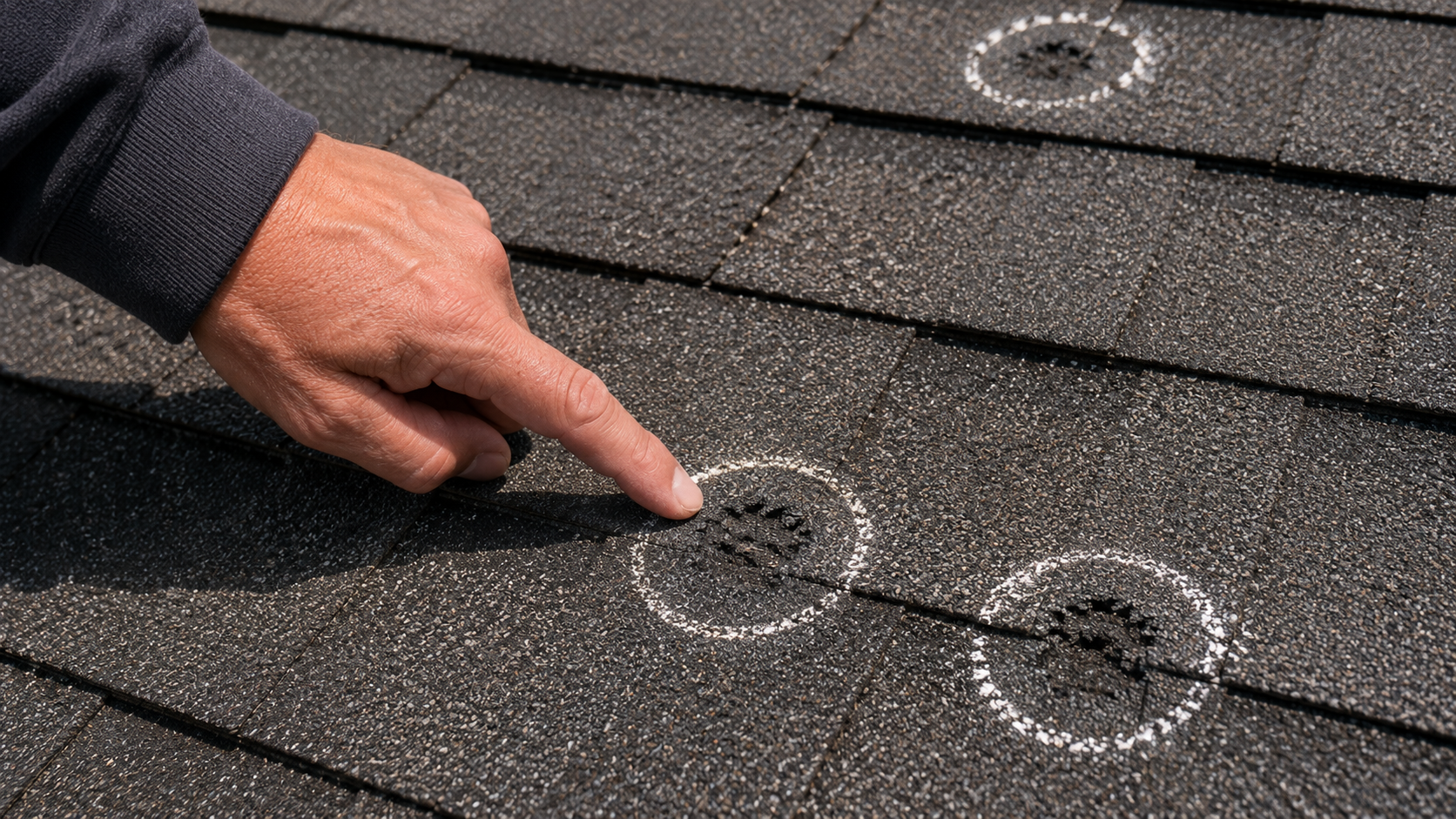
Homeowners insurance may cover roof replacement in Texas when the roof is damaged by a covered sudden event, such as hail, wind, or storm debris. It usually does not cover normal aging, long-term wear, poor maintenance, or old leaks that were not addressed.
Short answer: coverage depends on your policy, deductible, exclusions, roof age, damage cause, depreciation, and the insurance company's inspection. A roofer can inspect and document visible damage, but only your insurance carrier decides what is covered. Clear Choice Roofing can help you understand roof condition and provide a clear repair or replacement estimate.
If your Austin-area roof was hit by a recent storm, start with photos, a roof inspection, and your policy paperwork. Do not rely on anyone promising a zero-cost replacement.
What Roof Damage May Be Covered?
Insurance is generally designed for sudden and accidental damage. For Texas roofs, the most common claim situations involve:
- Hail damage
- Wind damage
- Storm debris impact
- Damage from falling limbs
- Sudden water entry caused by a covered roof opening
A sun-baked roof that is simply old may still need replacement, but that does not automatically make it an insurance replacement. Austin heat, UV exposure, and age-related granule loss are usually treated differently from a single storm date.
What Is Usually Not Covered?
Normal age and wear
If shingles are brittle, curled, heavily worn, or past their useful life, the roof may be a maintenance issue. Insurance policies are not maintenance plans.
Old leaks and neglected repairs
If a leak was ignored or caused by a known maintenance problem, coverage can be limited. Keep repair records, photos, inspection notes, and invoices when possible.
Cosmetic-only damage
Some policies treat cosmetic damage differently, especially on metal roofing. A dent can be visible without changing water-shedding performance. Ask your carrier how cosmetic exclusions apply.
Exclusions and special deductibles
Texas policies may include wind and hail deductibles, percentage deductibles, ACV roof language, roof age limitations, or cosmetic exclusions. Read the policy rather than assuming all storm damage is handled the same way.
The Texas Roof Claim Process
Step 1: Protect the home
If water is entering, limit additional damage where safe. Move belongings, place containers, and take photos. If emergency tarping is needed, keep receipts.
Step 2: Document the damage
Write down the storm date if you know it. Photograph interior stains, ceiling leaks, fallen limbs, hail on the ground, damaged gutters, damaged vents, and anything visible from the ground. Do not climb the roof if conditions are unsafe.
Step 3: Schedule a roof inspection
A roof inspection helps separate visible storm damage from age, ventilation issues, flashing problems, or normal wear. The roofer should explain what they see without promising the claim outcome.
Step 4: Review your deductible and roof language
Look for wind/hail deductibles, replacement cost value, actual cash value, depreciation, exclusions, and roof age endorsements. These details decide your out-of-pocket cost as much as the roof estimate does.
Step 5: File the claim with your carrier
You file the claim. The carrier assigns the claim number and adjuster. Keep your photos, estimate, claim number, messages, and paperwork in one place.
Step 6: Compare the insurance scope to the roof estimate
If the claim is approved, compare the insurance scope to the roofing estimate. Look at materials, code items, flashing, ventilation, damaged components, and deductible. Ask questions through the proper claim process if something appears missing.
Deductibles in Texas
Your deductible is your responsibility. Be cautious with anyone offering to waive, absorb, rebate, or hide it. A legitimate estimate should show the real project cost, even when insurance is involved.
If the roof repair cost is close to or below your deductible, filing a claim may not make financial sense. Ask your carrier direct policy questions before deciding.
ACV vs RCV: Why the Letters Matter
Replacement cost value, or RCV, generally means the policy considers the cost to replace covered damaged property with similar new materials, subject to policy terms and deductible. Actual cash value, or ACV, factors in depreciation.
An ACV roof settlement on an older roof can leave more out-of-pocket cost than a homeowner expects. Do not assume the policy pays the full replacement amount. Ask how depreciation and recoverable depreciation work.
What If the Claim Is Denied or Below Your Deductible?
A denial or small scope does not automatically mean the roof is fine. It means the carrier did not approve payment under the policy as reviewed. Ask for the explanation in writing, compare it with the roof estimate, and decide whether repair, maintenance, or a second look is appropriate. If the damage is below your deductible, a direct repair may be the cleaner path.
Austin and Central Texas Storm Nuance
Storm damage here is often uneven. One part of Cedar Park, Round Rock, South Austin, or East Austin may see damaging hail while another area nearby sees only rain. That is why your roof should be evaluated on its own condition, not only on a weather app or neighbor's claim.
Gutters, vents, soft metals, ridge caps, shingles, flashing, and interior ceilings all help tell the story.
Frequently Asked Questions
Does insurance cover an old roof in Texas?
Maybe, but age matters. If a covered storm damages an older roof, the carrier reviews the policy, roof condition, and cause of loss. Normal age and wear alone are usually not enough.
Should I call insurance or a roofer first?
If active damage is severe, contact your carrier promptly and protect the home. Many homeowners also schedule a roof inspection first so they understand whether visible damage exists.
Will insurance pay for repair or full replacement?
That depends on the damage pattern and policy. Localized covered damage may lead to repairs. Widespread covered damage may lead to replacement. The carrier decides coverage.
Can Clear Choice Roofing help with the claim?
We can inspect the roof, document visible damage, provide an estimate, and answer construction questions. We do not promise coverage or replace the insurance company's decision.
Start With the Roof Facts
Insurance decisions can feel overwhelming because the roof, policy, deductible, and timeline all matter at once. Clear Choice Roofing can inspect your Austin-area roof, explain what we see, and provide a straightforward estimate for repair or replacement.